




Say Goodbye to Painful Fibroids: Laparoscopic Relief
A 36-year-old patient came to my clinic in Noida last month—heavy bleeding for months, iron deficiency anemia, and anxiety about future pregnancy. She had been told repeatedly that a hysterectomy was her only option. After careful evaluation we performed a laparoscopic myomectomy. She was home within 48 hours, her pain was controlled, her recovery quick, and she left reassured about fertility. Stories like hers are why I prefer discussing laparoscopic removal for many women with symptomatic fibroids.
Why this matters today (Indian urban context)
In cities like Noida and Delhi, women delay childbearing, juggle careers and families, and often present with larger or multiple fibroids. Heavy periods leading to anemia, impact on fertility, and quality of life are common. Minimally invasive options such as laparoscopic myomectomy fit modern urban lifestyles by offering quicker recovery, less disruption to work and family, and better preservation of the uterus.
Clear medical explanation (patient friendly)
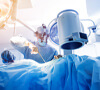
Fibroids (leiomyomas) are benign growths in the muscular wall of the uterus. Laparoscopic myomectomy uses small keyhole incisions and a camera to remove fibroids while repairing the uterus. Unlike hysterectomy (removal of the uterus) or open surgery, laparoscopy allows precise removal with minimal trauma to surrounding tissue. For submucosal fibroids inside the uterine cavity, hysteroscopic removal is used. Your surgeon will choose the best approach based on size, number and location of fibroids.
Risk factors (Indian context)
Common risk factors I see in my practice:
– Age in the 30s–40s, particularly in women delaying first pregnancy.
– Family history of fibroids.
– Obesity and sedentary lifestyle common in urban settings.
– High red-meat intake and low fruit/vegetable consumption—modifiable factors.
– Hypertension and metabolic syndrome, increasingly seen in younger Indian women.
Warning signs women must never ignore
– Heavy menstrual bleeding soaking through pads hourly.
– Periods lasting more than 7 days.
– Symptoms of anemia: fatigue, breathlessness, palpitations.
– Persistent pelvic pain or pressure.
– Difficulty urinating or constipation due to pelvic mass.
– Infertility or repeated pregnancy loss with known fibroids.
When to see your gynecologist immediately
Seek urgent care if you have:
– Very heavy bleeding with dizziness or fainting.
– Severe pelvic pain with fever (possible degeneration or infection).
– Sudden increase in abdominal size or acute urinary retention.
– Pregnant with severe pain or bleeding—fibroids can complicate pregnancy.
Doctor-recommended management
My approach combines medicine, lifestyle, investigations and surgery tailored to your goals (fertility preservation vs symptom relief).
Diet and lifestyle
– Correct iron deficiency: eat iron-rich foods (leafy greens, lentils, lean meat), combine with vitamin C-rich foods for absorption.
– Maintain healthy weight with regular exercise—reduces estrogen excess.
– Reduce processed food and excessive red meat; increase whole grains, fruits, vegetables.
– Avoid smoking and limit alcohol.
Tests I usually order
– Transvaginal ultrasound as first-line imaging.
– Pelvic MRI if fibroid mapping is needed (multiple or large fibroids).
– CBC (to check anemia), thyroid tests if indicated, blood group.
– Hysteroscopy if abnormal uterine bleeding or submucosal fibroid suspected.
– For infertility, add HSG (hysterosalpingography) or laparoscopy as needed.
Treatment options
– Medical: Hormonal therapy (IUDs like levonorgestrel), short-term GnRH analogues or selective modulators to control bleeding or reduce size pre-op.
– Minimally invasive: Hysteroscopic resection for submucosal fibroids; laparoscopic myomectomy for intramural and subserosal fibroids.
– Open myomectomy or hysterectomy reserved for very large/multiple fibroids or when laparoscopy is unsuitable.
– I always discuss fertility goals. For women desiring pregnancy, myomectomy is preferred over hysterectomy.
Prevention and follow-up
Fibroids cannot be fully prevented but regular pelvic checks, healthy lifestyle and early evaluation of heavy bleeding can catch problems earlier and allow less invasive treatment.
Normal delivery vs C-section clarity
After a well-repaired laparoscopic myomectomy, many women can attempt a vaginal delivery. However, if the uterine wall required deep or multiple full-thickness incisions, some surgeons recommend elective cesarean delivery for subsequent pregnancies to reduce the rare risk of uterine rupture. Decisions are individualized—ACOG and FOGSI recommend individualized counseling, and the timing of conception is typically delayed for 3–6 months after myomectomy to allow scar healing. I discuss delivery planning with each patient based on intraoperative findings and repair quality.
Guidelines integration
In my practice I follow evidence-based guidance: ACOG and WHO support minimally invasive approaches when appropriate, and FOGSI India also encourages laparoscopy for suitable candidates, especially to preserve fertility and reduce morbidity. These bodies emphasize individualized care and counseling on risks and benefits.
Practical tips from real clinical experience
– Choose a surgeon experienced in advanced laparoscopy; ask about their myomectomy volume and complication rates.
– Optimize anemia before surgery—iron infusions can speed recovery if oral iron is inadequate.
– Arrange for 7–10 days off work and gradual resumption of activities; lifting heavy weights should be avoided for at least 4–6 weeks.
– Ask your surgeon about adhesion-reduction techniques and careful uterine closure to preserve fertility.
– Keep realistic expectations: small fibroids may recur over years and sometimes further treatment is needed.
Strong reassuring conclusion
If fibroids are affecting your life, you do not have to accept prolonged suffering. Laparoscopic myomectomy can offer symptom relief, a quicker return to daily life, and preserve your fertility in many cases. As a senior gynecologist in Noida, I have seen excellent outcomes with this approach—but candid counseling and individualized planning are essential. You deserve a treatment plan that fits your health goals and lifestyle.
Frequently Asked Questions
1) Will my fertility improve after laparoscopic myomectomy?
In many cases yes—especially if fibroids distort the uterine cavity or are linked to infertility. Improvement depends on fibroid size, number, and other fertility factors.
2) How long is recovery after laparoscopic fibroid removal?
Most women go home within 24–72 hours and return to normal activities in 1–2 weeks; full physical recovery and heavy lifting avoidance for 4–6 weeks.
3) Can fibroids come back after myomectomy?
There is a risk of recurrence; rates vary with age and number of fibroids. Regular follow-up is important.
4) Is laparoscopic surgery safe for large or multiple fibroids?
Many can be removed laparoscopically by experienced surgeons, but very large or numerous fibroids may require open surgery. Pre-op imaging helps plan the approach.
5) When can I plan pregnancy after surgery?
Typically after 3–6 months to allow uterine healing; individual advice will depend on the surgical repair and your clinical situation.
Dr Uma Mishra
MD, Obstetrics & Gynecology
High Risk Pregnancy Care Expert | Normal Delivery Specialist
Leading Gynecologist in Noida
Call clinic to Book Physical or Online Consultation: 8130550269
Website: https://www.drumamishra.com
Online Consult (Practo): https://www.practo.com/noida/doctor/uma-mishra-gynecologist-obstetrician
Motherhood Hospital: https://www.motherhoodindia.com/doctor/dr-uma-mishra/
Clinic Location (Noida): https://maps.app.goo.gl/RVJJ7ArthrFTCs1J7
Motherhood Hospital Location: https://maps.app.goo.gl/naJKdfS8JFhR887M8